
Why Is Patient Safety Important When Choosing a Plastic Surgeon?
Choosing a plastic surgeon in Istanbul is not limited to achieving an aesthetic outcome. This process requires evaluating multiple criteria together, including patient safety, correct indication, personalized planning, and long-term follow-up. In this guide, we systematically address the most frequently asked questions by individuals seeking a plastic surgeon in Istanbul, based on the patient-safety-focused approach of Prof. Dr. Osman Kelahmetoglu.
1) Expertise and Competence: The Right Specialty and the Right Focus
Plastic surgery is a broad field. Therefore, it is important that the physician is a specialist in Plastic, Reconstructive and Aesthetic Surgery and actively practices in the specific area you need. Facial aesthetics, breast surgery, body contouring, and reconstructive surgery each require different experience and technical approaches.
- Specialty verification: Clear confirmation of the physician’s specialty and institutions
- Focus area: Regular practice in procedures relevant to your needs
- Up-to-date knowledge: Following modern techniques and safety protocols
2) Experience and Planning: A Personalized Approach for Every Patient
Success in plastic surgery begins with proper planning. Each patient’s anatomy, skin quality, healing capacity, and expectations differ. An experienced surgeon does not simply perform the procedure but explains which method is suitable for you and why.
- Examination and analysis: Assessment of body proportions, skin structure, and tissue quality
- Offering alternatives: Explaining multiple options with their pros and cons
- Realistic goals: Predictable, measurable outcomes instead of unrealistic promises
3) The Role of Patient Safety and Ethical Practice
When choosing a plastic surgeon in Istanbul, the most critical factor is patient safety and an ethical approach. According to Prof. Dr. Osman Kelahmetoglu, a responsible surgeon clearly states who is not suitable for surgery, does not hide risks, and avoids unnecessary procedures.
- Transparent risk disclosure: Possible complications, recovery time, and limitations
- Informed consent: Clear and understandable explanation of the entire process
- Avoiding unnecessary procedures: Distance from medically unjustified treatments
4) Importance of the Surgical Environment and Clinical Conditions
The environment where plastic surgery is performed directly affects safety and outcomes. Fully equipped hospital conditions, sterilization standards, anesthesia teams, and emergency infrastructure are essential.
- Hospital infrastructure: Operating room standards and equipment
- Anesthesia team: Presence of an anesthesiologist and monitoring protocols
- Emergency preparedness: Readiness for unexpected situations
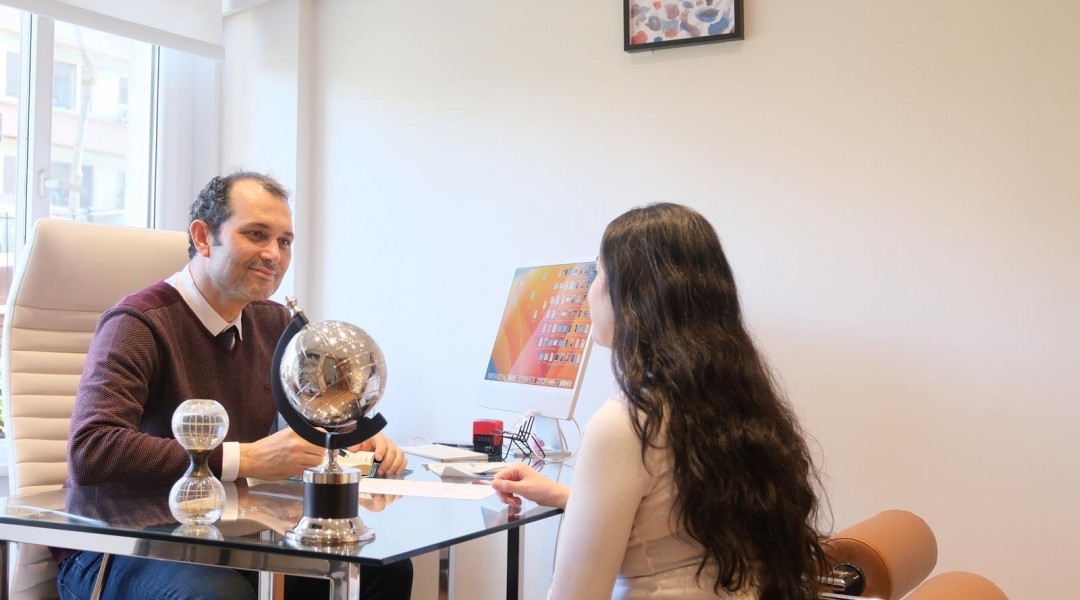
5) Consultation Process: The First Step Toward the Right Decision
A high-quality consultation forms the foundation of the right decision. The physician should listen carefully, understand expectations, and transparently present the most appropriate medical options.
- Process explanation: Surgical stages, recovery period, and follow-up plan
- Expectation management: Clear distinction between achievable results and expectations
- Written plan: Required tests, preparation, and follow-up schedule
6) Postoperative Follow-Up and Long-Term Results
In plastic surgery, successful results depend not only on the operation but also on postoperative follow-up quality.
- Follow-up schedule: First week, first month, and subsequent visits
- Recovery support: Swelling control, scar care, garment recommendations
- Accessibility: Rapid response in unexpected situations
A Practical Checklist for Choosing a Plastic Surgeon in Istanbul
- Is the physician a specialist in Plastic, Reconstructive and Aesthetic Surgery?
- Do they have regular experience in the procedure you want?
- Were risks and limitations explained clearly?
- Will the surgery be performed in appropriate hospital conditions?
- Is the postoperative follow-up plan clear and accessible?
By considering this guide, you can manage your plastic surgeon selection process in Istanbul more safely and consciously. To learn more about Prof. Dr. Osman Kelahmetoglu’s consultation approach or to schedule an appointment, you may use the contact channels.