
Burn and Wound Treatments
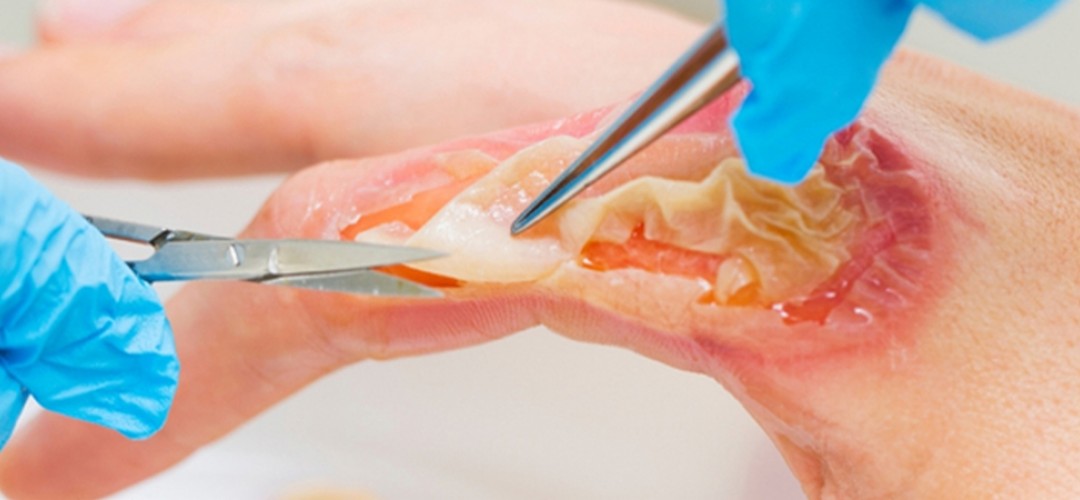
Personalized Reconstruction Planning for Burns, Pressure Sores and Chronic Wounds
Burn and wound treatment includes the evaluation of post-burn scars, tissue losses, pressure sores, chronic wounds, diabetic foot problems and deformities caused by recurrent skin infections. In this process, the aim is not only to close the wound; the cause, depth, infection status, tissue loss, circulation characteristics, the person’s general health status and functional needs should be considered together.
Especially in pressure sores, bedsores, advanced-stage chronic wounds and burn sequelae, the treatment plan is often not limited to dressing care. In suitable patients, reconstructive surgical options such as wound debridement, infection control, pressure reduction, tissue reconstruction, flap or skin graft may come to the agenda.
In Which Situations Does Burn and Wound Treatment Come to the Agenda?
Burn and wound treatment includes the evaluation of acute burns, non-healing chronic wounds, pressure sores, diabetic foot wounds and different diseases that cause tissue loss. Not every wound is treated in the same way; the cause, duration, depth, presence of infection and the person’s general health status directly affect the treatment plan.
- Development of scars, hardness, contracture or movement restriction after burns
- Formation of bedsores or pressure sores
- Chronic wounds that do not heal for a long time
- Development of diabetic foot wounds, ulcers or infection
- Tissue loss after trauma, infection or disease
- Open wounds that may require closure with a flap or skin graft
- Recurrent inflammatory skin diseases such as hidradenitis suppurativa
- Function, movement or quality of life being affected due to the wound
Determining the cause is important in wound treatment
Simply covering the wound is often not sufficient. Permanent healing cannot be targeted without evaluating underlying causes such as pressure, circulation disorder, diabetes, infection, nutritional deficiency, immobility or recurrent trauma.
What Is a Pressure Sore and Why Does It Occur?
A pressure sore, also known as a bedsore or pressure ulcer, develops as a result of the skin and subcutaneous tissues remaining under pressure due to staying in the same position for a long time. It is more common especially in people who are bedridden, use a wheelchair, have reduced mobility or have a weakened general condition.
Pressure sores most commonly occur in areas where bony prominences are prominent, such as the tailbone, hips, heels, back, elbows, ankles and around the shoulder blades. When pressure continues for a long time, blood circulation in the area decreases, tissue nutrition is impaired and the wound may deepen.
Continuous Pressure
Long-term pressure on the same area may reduce tissue oxygenation.
Friction and Shear
Sliding in bed, friction or incorrect positioning may impair skin integrity.
Moisture and Hygiene Problems
Sweating, urine or stool contact may sensitize the skin and increase wound risk.
Nutrition and General Condition
Protein deficiency, weight loss, infection and chronic diseases may make wound healing more difficult.
Staging and Treatment Plan in Pressure Sores
The treatment plan for pressure sores varies according to the stage of the wound. The process, which starts with superficial redness, may progress to the subcutaneous tissue, muscle, tendon or bone if left untreated. Therefore, early evaluation and regular follow-up are important in pressure sores.
Stage 1
Redness and tenderness may be seen without disruption of skin integrity. Reducing pressure and regulating skin care are important.
Stage 2
Superficial tissue loss, blistering or an open wound may develop on the skin. Dressing care and pressure control are required.
Stage 3
Tissue loss may progress down to the subcutaneous fat tissue. Careful evaluation is required in terms of infection, necrosis and depth.
Stage 4
Deep wounds extending to muscle, tendon or bone tissue may be seen. Surgical debridement and reconstruction with a flap may come to the agenda.
Pressure sore treatment is not only dressing care
In advanced-stage pressure sores, dressing alone may not be sufficient. Pressure reduction, infection control, nutritional support, wound cleaning, appropriate positioning and, when necessary, surgical reconstruction should be planned together.
Plastic Surgery Approach in Advanced-Stage Pressure Sores
In advanced-stage pressure sores, the wound may have deepened, become infected or developed dead tissue. In this case, the priority is to clarify the condition of the wound, control the risk of infection and evaluate factors that prevent healing. In suitable patients, surgical removal of dead tissue, namely debridement, may be required.
After the pressure sore is properly prepared, flap surgery may be evaluated to close the tissue defect. In flap reconstruction, nearby tissues are moved to the wound area while preserving their blood circulation. This method may come to the agenda especially in deep, wide pressure sores or pressure sores where bony prominences are exposed.
Debridement
This is the removal of dead, infected or unhealthy tissues that prevent wound healing. Its scope differs in each patient.
Closure with Flap
In suitable patients, it may be aimed to close the tissue defect using surrounding healthy tissues. Success is related to the wound bed, pressure control and general health status.
Before surgical planning in advanced-stage pressure sores, the patient’s general condition, nutritional level, signs of infection, mobility, care conditions and risk of wound recurrence should be evaluated together.
Early evaluation is important in pressure sores and chronic wounds
When wound depth, infection status, cause of pressure and tissue loss are evaluated together, options such as dressing, debridement, flap or graft can be planned more accurately.
Burn Sequelae and Scar Reconstruction
After burns heal, they may leave scars, color changes, hardness, contractures, tissue loss or movement restriction on the skin. Burn sequelae especially in the face, neck, hand, arm, around joints and visible areas may cause both aesthetic and functional problems.
The aim in burn sequela reconstruction is not to guarantee complete elimination of the scar or deformity. The goal is to reduce scar visibility, release contractures, improve movement restriction and reconstruct tissue defects with appropriate methods. The method to be used is determined according to the depth, location, skin quality and functional effect of the burn.
- Hard and raised scars after burns
- Contractures around joints that restrict movement
- Aesthetic and functional deformities in the face, hand or neck area
- Tissue defects requiring skin graft or flap
- Need for scar revision or soft tissue adjustment after burns
Surgical Evaluation in Diabetic Foot and Chronic Wounds
Diabetic foot is a serious chronic wound problem that may develop in people with diabetes due to nerve damage, circulatory disorder, infection and delayed wound healing. Even shoe pressure, an ingrown nail or a small cut may progress and ulcerate in diabetic patients.
In diabetic foot wounds, blood sugar control, circulation evaluation, infection management, regular dressing care, pressure reduction and, when necessary, surgical debridement should be addressed together. In advanced cases, plastic surgery evaluation may be important for cleaning the tissue loss, preparing the wound bed and tissue reconstruction in suitable patients.
Multidisciplinary follow-up is required in diabetic foot
Diabetic foot treatment is not only wound dressing. Different fields such as endocrinology, infectious diseases, vascular surgery, orthopedics, plastic surgery and the wound care team may need to work together.
Hidradenitis Suppurativa and Recurrent Skin Infections
Hidradenitis suppurativa is a chronic skin disease that can progress with recurrent painful nodules, abscesses, draining wounds and scars in areas such as the armpits, groin, under the breasts and around the buttocks. Initial evaluation is usually performed by dermatology.
In cases that recur despite medical treatment, leave scars or significantly affect quality of life, surgical options may come to the agenda. Surgical planning should be made according to the extent of the disease, active infection status, tissue loss and previous treatment processes.
Flap, Graft and Tissue Reconstruction in Wound Treatment
In burn and wound treatment, some open wounds may not close with dressing alone. If there is deep tissue loss, a wide wound area, exposed bone or tendon, recurrent infection or involvement of a functional area, reconstructive surgical options may be evaluated.
Skin Graft
This is the placement of skin tissue taken from another part of the body onto a suitable wound bed.
Local Flap
This is the transfer of nearby healthy tissue to the wound area while preserving its blood circulation.
Advanced Reconstruction
Advanced reconstruction methods may be required in larger or more complex tissue losses. In selected cases, microsurgical techniques may be included in the evaluation.
Scar and Sequela Adjustment
Scar revision or tissue adjustment procedures may be planned for contracture, hardness and deformity that occur after burns or wounds.
Wound Care, Dressing and Follow-Up Process
In burn and wound treatment, regular follow-up, correct wound care and controlling factors that prevent healing are important. Wound size, drainage status, signs of infection, tissue viability and the condition of the surrounding skin are evaluated at every control.
Pressure Reduction
Position changes, appropriate bed and care conditions are essential parts of treatment in pressure sores.
Infection Control
Findings such as redness, foul odor, drainage, fever or increased pain should be monitored carefully.
Nutritional Support
Protein and calorie deficiency may negatively affect wound healing. Nutritional status should be supported when necessary.
Regular Dressing
The type of dressing should be determined according to the wound stage, drainage, infection status and tissue characteristics.
Possible Risks and Realistic Expectations
In burn and wound treatment, the healing process varies according to the cause and depth of the wound, infection status, the person’s general health status, nutritional level, circulation characteristics and care conditions. It cannot be guaranteed that every wound will close completely or that scars will completely disappear.
Surgical procedures may involve risks such as bleeding, infection, wound opening, graft failure, flap circulation problems, noticeable scarring, sensory change, wound recurrence or need for additional surgery. In pressure sores, even if the wound is closed, the risk of recurrence may continue if pressure, care and general condition are not controlled.
Success in wound treatment does not depend only on surgery
Especially in pressure sores and chronic wounds, positioning, care conditions, nutrition, infection control, management of underlying diseases and the participation of patient relatives in the process affect the treatment result.
Prof. Dr. Osman Kelahmetoğlu’s Burn and Wound Treatment Approach
Prof. Dr. Osman Kelahmetoğlu evaluates not only the superficial appearance of the wound in burn and wound treatment planning, but also the depth of tissue loss, functional effect, infection status, the person’s general health conditions and the need for reconstruction together.
Especially in pressure sores, burn sequelae and chronic wounds, treatment may consist of different stages such as dressing, wound preparation, debridement, flap, skin graft, scar adjustment and long-term follow-up. Which method is suitable is determined according to the person and the characteristics of the wound.
Functional Reconstruction
The effect of the wound or sequela on movement, positioning, care and daily life is evaluated.
Personalized Reconstruction
Graft, flap or different reconstruction options may be planned according to the location, size and depth of tissue loss.
What Should Be Considered for Burn and Wound Treatment in Istanbul?
People who want to receive evaluation for burn and wound treatment in Istanbul should pay attention not only to dressing care, but also to the cause, depth, recurrence risk and reconstruction need of the wound. Especially in pressure sores, diabetic foot, burn sequelae and chronic wounds, plastic surgery evaluation may be an important part of the treatment plan.
- Correct evaluation of the cause and stage of the wound
- Elimination of the pressure source in pressure sores
- Evaluation of infection, circulation and nutritional status
- Determination of the need for debridement, flap or skin graft
- Evaluation of scars, contractures and movement restrictions in burn sequelae
- Reviewing the need for multidisciplinary follow-up in diabetic foot
- Clear explanation of the wound care process to the patient and relatives
People who want more general information about choosing a physician for burn, wound, pressure sore or chronic wound reconstruction can also review the Istanbul plastic surgeon page.
Frequently Asked Questions About Burn and Wound Treatment
Can a pressure sore heal on its own?
Early-stage pressure sores may heal with appropriate pressure reduction, care and dressing. However, in advanced-stage, deep or infected wounds, plastic surgery evaluation and surgical treatment may be required.
When is surgery required for a bedsore?
Surgical options may be evaluated if there is deep tissue loss, dead tissue, exposed bone or tendon, recurrent infection, or a wound that does not close despite dressing care.
Do burn scars disappear completely?
It cannot be guaranteed that burn scars will completely disappear. The aim of treatment is to reduce scar visibility, release contractures, improve movement restriction and try to achieve a more acceptable appearance.
Is plastic surgery necessary in a diabetic foot wound?
Plastic surgery is not required in every diabetic foot wound. However, if there is tissue loss, infection, a non-closing wound or a need for reconstruction, plastic surgery evaluation may be included in the treatment plan.
In which wounds are flap and skin graft used?
If the wound is not suitable for closure with dressing alone, if there is deep tissue loss or if structures such as tendon or bone are exposed, reconstruction methods such as flap or skin graft may be evaluated.
Can a pressure sore recur?
Yes, it can recur. If the pressure source is not eliminated, positioning and care conditions are not regulated or general health problems continue, a pressure sore may form again.
Medical Information and Page Currency
This page has been prepared for general informational purposes about burn and wound treatment, pressure sores, bedsores, chronic wounds, diabetic foot, burn sequelae, hidradenitis suppurativa, and wound reconstruction with flap and skin graft. The information here does not replace personal examination, diagnosis or treatment recommendation. The appropriate treatment plan can only be determined after examination, wound evaluation and necessary medical investigations.
Last update: August 2026
Burn and wound treatment evaluation in Istanbul Şişli / Nişantaşı
You can create an examination appointment to get information about personalized evaluation and treatment planning for pressure sores, burn sequelae, chronic wounds, diabetic foot or wounds that cause tissue loss.