
Hair Mesotherapy with PRP
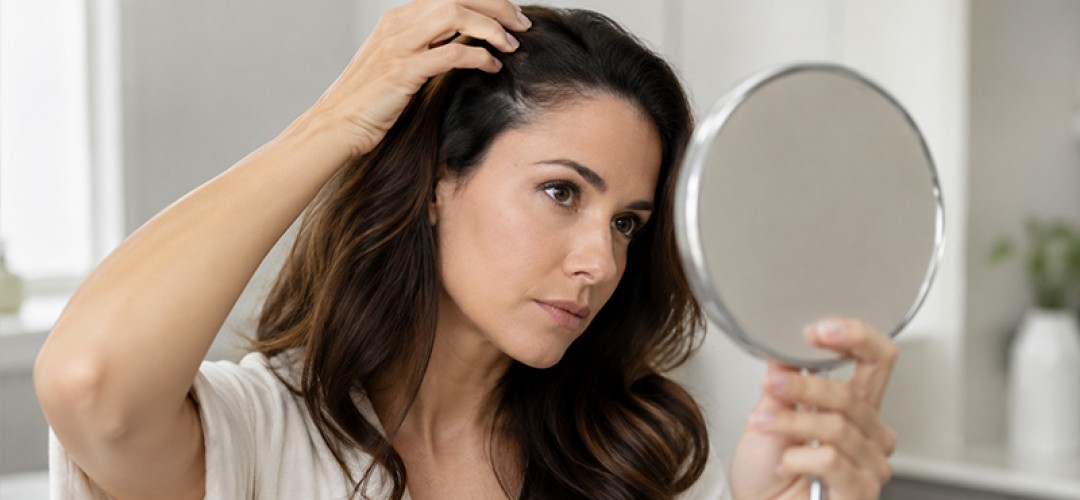
Non-Surgical Approach Supporting Scalp Quality with Hair Mesotherapy and PRP
Hair mesotherapy and hair PRP applications are non-surgical support treatments planned for the purpose of strengthening existing hair, addressing thinning hair strands, improving scalp quality, and managing hair loss. Genetic predisposition, stress, hormonal changes, nutritional deficiencies, over-processed hair structure, and environmental factors can affect the life cycle of hair follicles.
Evaluated by Prof. Dr. Osman Kelahmetoğlu at the clinic in Istanbul Şişli / Nişantaşı, hair mesotherapy and PRP applications are personally planned within the scope of non-surgical aesthetic applications. The goal is not to replace hair transplantation, but to support existing hair follicles, improve scalp health, and help manage the shedding process in a more controlled manner.
What is Hair Mesotherapy?
Hair mesotherapy is a medical application aimed at delivering vitamins, minerals, amino acids, peptides, hyaluronic acid, and supportive ingredients for hair follicles to the scalp through the micro-injection method. In this process, the goal is to deliver the supportive components needed by the hair follicles directly to the scalp.
Hair mesotherapy is not a hair transplant procedure. It does not create new hair follicles; however, in suitable candidates, it can contribute to supporting existing hair follicles, helping hair strands look higher quality, and improving the scalp environment. Therefore, the type, duration, and cause of hair loss should be carefully evaluated before the application.
What is Hair PRP?
Hair PRP application is based on applying platelet-rich plasma obtained from the person's own blood to the scalp. Platelets contain growth factors that play a role in tissue repair and cellular renewal processes. When applied to the scalp, it is aimed to biologically support the tissue where the hair follicles are located.
PRP is an autologous application with a low risk of allergic reactions because it is prepared from the person's own blood. However, not every type of hair loss may be suitable for PRP. Especially in individuals with advanced hair loss or active dermatological diseases, different evaluations may be required.
Hair PRP and hair mesotherapy are not alternatives to hair transplantation
These applications aim to support existing hair follicles. They do not guarantee the growth of new hair in areas where follicle loss is advanced and do not replace the hair transplant procedure.
What Does Hair Mesotherapy Do?
Hair mesotherapy aims to support the biological environment in the scalp and locally deliver some ingredients needed by the hair follicles. This approach can be evaluated especially in people experiencing thinning hair strands, seasonal shedding, weakening, and loss of quality in the scalp.
- Supports controlling hair loss If the cause of shedding is appropriate, supporting the scalp can help slow down the shedding process.
- Aims to increase the quality of hair strands A more vibrant and stronger appearance is aimed for thinned and weakened hair strands.
- Supports the scalp environment It can contribute to scalp health in cases of dryness, sensitivity, and tissue quality problems.
- Helps protect existing hair Supportive applications performed in the early period can contribute to the preservation of existing hair presence.
For those who want to examine the general logic of skin and scalp applications in more detail, the mesotherapy guide can be a supportive resource.
Why Does Hair Loss Occur?
Hair loss may not be due to a single reason. Genetic predisposition, hormonal changes, thyroid problems, iron and vitamin deficiencies, stress, rapid weight loss, the postpartum period, certain medications, and scalp diseases can affect the shedding process.
Therefore, the type and possible cause of hair loss should be evaluated before planning hair mesotherapy or PRP. Not every hair loss can be managed only with injection applications; some patients may require additional tests or different branch evaluations.
Seasonal Hair Loss
A supportive approach can be evaluated in shedding that develops due to stress, nutritional changes, seasonal transitions, or after an illness.
Genetic Hair Loss
In androgenetic shedding, the goal is to support existing hair and help manage the process in a more controlled manner.
Who is Hair Mesotherapy Suitable For?
Hair mesotherapy can be suitable for individuals experiencing weakening or shedding in hair strands, those who want to support their existing hair, and those who aim to increase scalp quality. However, the decision for the procedure should be made by evaluating the cause of the shedding and the current state of the hair follicles.
- Those experiencing thinning and weakening of hair strands
- Those with complaints of seasonal hair loss
- Those who notice dryness, dullness, or loss of quality in the scalp
- Those who want their existing hair to look stronger
- Those who want to support their existing hair before considering hair transplantation
- Those looking for a supportive care protocol after hair transplantation
Hair follicle viability should be evaluated
Hair mesotherapy and PRP do not aim to bring back completely lost hair follicles. For the most accurate result expectation, the existing hair follicle potential and shedding type should be analyzed.
Who Might It Not Be Suitable For?
As with every medical application, a suitability evaluation is required for hair mesotherapy and PRP. In some cases, the application may be postponed or different treatment options may come to the agenda.
- Individuals with an active infection in the application area
- Those with active scalp disease
- Those with bleeding disorders or uncontrolled systemic disease
- Those with a known allergy to the ingredients
- Those in the pregnancy and breastfeeding period
- Individuals with advanced hair follicle loss and unrealistic expectations
If there is a hormonal, metabolic, or dermatological cause underlying hair loss, evaluating this situation separately before the procedure provides a more accurate approach.
How is Hair Mesotherapy Performed?
Before hair mesotherapy, the scalp is evaluated, and shedding areas and hair density are examined. After the area to be treated is determined, supportive ingredients are applied to the scalp using the micro-injection method. The procedure is usually completed in a short time.
The application depth, injection points, and ingredients to be used should be planned according to the individual. Since the scalp is a region containing a dense network of blood vessels and nerves, it is important that the procedure is performed under sterile conditions and by a specialist physician.
Procedure Time
Although it varies depending on the application area, most hair mesotherapy sessions can be completed within approximately 20-30 minutes.
Return to Daily Life
Most people can return to their daily lives after the procedure. Temporary sensitivity or slight redness may be seen on the scalp.
Can PRP and Hair Mesotherapy Be Applied Together?
Hair PRP and hair mesotherapy aim to act through different mechanisms. While PRP supports tissue repair with growth factors obtained from the person's own blood, mesotherapy provides vitamins, minerals, amino acids, and supportive ingredients to the scalp.
In some patients, these two applications can be combined within the same treatment plan. However, the combination decision should be made based on the type of hair loss, scalp condition, age, medical history, and expectation. It is not necessary to apply PRP and mesotherapy together for every patient.
How Many Sessions are Required?
The number of sessions in hair mesotherapy and PRP applications varies from person to person. The severity of shedding, scalp quality, age, genetic predisposition, nutritional status, and targeted results affect the session plan.
In most cases, applications can be planned in the form of a cure at certain intervals. After the initial evaluation, the session interval and follow-up process are determined individually. The response to the treatment should be monitored with regular checks.
- Initial period Shedding rate, scalp condition, and existing hair quality are evaluated.
- Cure planning Application intervals and the number of sessions are determined according to the individual's needs.
- Maintenance process Support sessions at certain intervals may be recommended to maintain scalp quality.
When is the Effect Seen?
Hair treatments require biological time. Stimulation of hair follicles, supporting the hair cycle, and noticing the quality change in hair strands are not evaluated within weeks, but mostly within a few months.
In the initial period, a decrease in the shedding rate, a more balanced feeling in the scalp, and vitality in the existing hair can be noticed. A more distinct increase in quality and a stronger appearance of hair strands usually emerge as sessions progress. Results vary from person to person and cannot be guaranteed.
Does Hair Mesotherapy Replace Hair Transplantation?
Hair mesotherapy and PRP applications do not replace the hair transplant procedure. These applications do not transplant new hair follicles; they aim to support existing hair follicles and scalp quality. It is not realistic to expect permanent new hair formation with mesotherapy or PRP in areas where hair follicles are completely lost.
Surgical hair transplant operations are not performed in our clinic. Our focus is on the preservation of existing hair, supporting scalp health, and managing the shedding process with medical applications in suitable patients in a more controlled manner.
Things to Consider After Hair Mesotherapy
After hair mesotherapy or PRP, slight redness, sensitivity, or small injection marks may be seen on the scalp. These usually decrease within a short time. Following the recommendations after the procedure increases the application comfort.
- Intense contact with the scalp should be avoided for the first 24 hours.
- Doctor's recommendations regarding hair washing on the day of the procedure should be taken into account.
- Saunas, Turkish baths, and intense hot environments should be postponed for a short time.
- Heavy sports and intense sweating should be limited in the first few days.
- The follow-up and session plan recommended by the doctor should not be neglected.
Difference Between Hair Mesotherapy and Other Non-Surgical Applications
Hair mesotherapy is planned for the scalp and hair follicles. It is a different protocol from other non-surgical procedures applied for facial skin, expression lines, or volume loss. Therefore, it is important to choose the right application according to the individual's needs.
Mesotherapy and Youth Vaccine
Planned to support skin moisture, brightness, and tissue quality in areas such as the face, neck, and décolleté.
Botox Applications
Evaluated to soften lines depending on mimic movements and provide a more rested expression.
Filler Applications
Can be preferred for volume loss, contour support, and the need to balance facial proportions.
Why Prof. Dr. Osman Kelahmetoğlu?
Scalp applications should not be seen only as an injection procedure. The anatomy of the scalp, vascular structure, tissue quality, and the type of hair loss should be accurately analyzed. Prof. Dr. Osman Kelahmetoğlu's academic and clinical experience in the field of plastic, reconstructive, and aesthetic surgery contributes to planning applications such as hair mesotherapy and PRP with a more holistic perspective.
In the evaluation in Istanbul Şişli / Nişantaşı, the goal is not to apply the same protocol to every patient, but to create a personalized plan according to the cause of hair loss, existing hair follicle potential, scalp condition, and expectations.
Personalized Scalp Analysis
The shedding type, hair density, scalp quality, and medical history are evaluated together.
Realistic Result Planning
What hair mesotherapy and PRP can provide, their differences from hair transplantation, and their limitations are clearly explained.
Istanbul Hair Mesotherapy Prices
Istanbul hair mesotherapy prices may vary according to the protocol to be applied, the number of sessions, whether it is planned together with PRP, the severity of hair loss, and personalized needs. Hair mesotherapy, PRP, or combined protocols are not priced in the same way.
For clear price information, first, a scalp and hair loss evaluation should be performed. After the clinical evaluation in Şişli / Nişantaşı, the scope of the procedure, session plan, and follow-up process can be determined.
Frequently Asked Questions About Hair Mesotherapy
Does hair mesotherapy grow hair?
Hair mesotherapy does not create new hair follicles. It aims to support existing hair follicles and increase scalp quality.
Are hair PRP and hair mesotherapy the same thing?
No. PRP is applied with plasma prepared from the person's own blood; mesotherapy is based on delivering supportive ingredients to the scalp.
How many sessions of hair mesotherapy are required?
The number of sessions varies according to the type of shedding, scalp condition, and targeted support. A personalized plan is made after the examination.
Is hair mesotherapy painful?
Since it is performed with micro-injections, there may be a slight stinging sensation. The procedure is at a level that most people can tolerate.
Does hair mesotherapy replace hair transplantation?
No. Hair transplantation is a new follicle transfer procedure; hair mesotherapy is aimed at supporting existing hair and scalp quality.
Can hair be washed after the procedure?
Hair washing time may vary according to the application protocol. In this regard, the doctor's recommendation after the procedure should be followed.
Contact and Appointment
To get detailed information about hair mesotherapy and hair PRP applications and to learn the support plan suitable for your hair loss type and scalp structure, you can contact the clinic of Prof. Dr. Osman Kelahmetoğlu in Istanbul Şişli / Nişantaşı.
Personalized evaluation for hair mesotherapy and PRP in Istanbul
You can create an appointment to evaluate non-surgical support options for hair loss, hair thinning, and scalp quality.