
Cancer Surgery
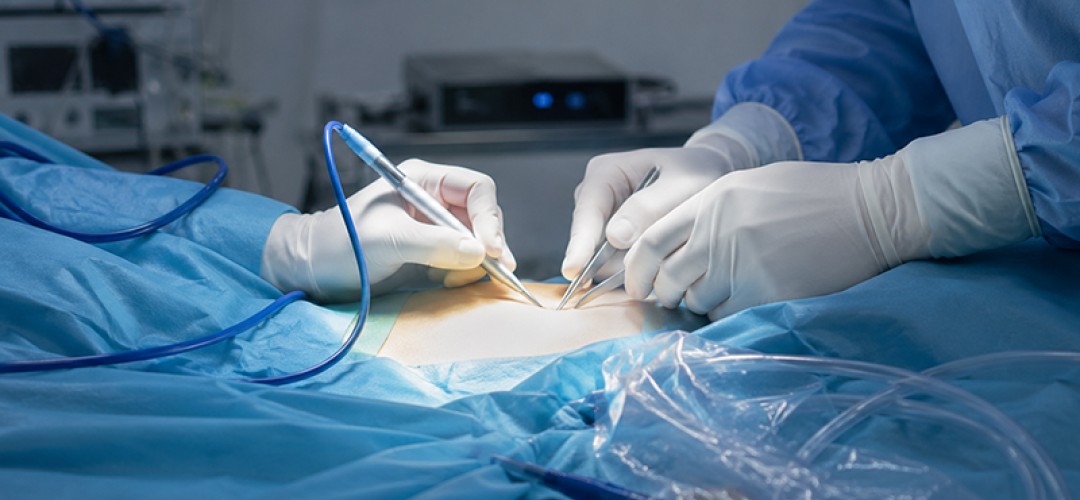
Safe Excision and Personalized Reconstruction in Skin Cancer Surgery
Skin cancer surgery includes the surgical removal of skin cancers such as basal cell carcinoma, squamous cell carcinoma and melanoma according to diagnosis, pathology and risk characteristics. Especially in visible or functionally important areas such as the face, nose, lips, ears, eyelids, scalp and hands, planning involves not only removing the tumor, but also how the tissue loss that may occur after the procedure will be repaired.
The surgical approach is shaped according to the type, location, size, depth of the lesion, whether a previous biopsy has been performed, pathology result and its relationship with surrounding tissues. The aim is to remove diseased tissue with appropriate surgical margins and, when necessary, preserve aesthetic and functional integrity as much as possible through direct closure, local flap, skin graft or advanced reconstructive methods.
In Which Situations Does Skin Cancer Surgery Come to the Agenda?
Skin cancer surgery may come to the agenda not only for lesions diagnosed with cancer, but also for suspicious skin lesions that are thought to require biopsy or surgical removal after clinical evaluation. Not every suspicious mole or wound directly requires wide surgical excision; the diagnostic process proceeds according to examination, biopsy, pathology and, when necessary, imaging findings.
- Skin lesions diagnosed with basal cell carcinoma
- Lesions diagnosed with or strongly suspected of squamous cell carcinoma
- Lesions diagnosed with melanoma or requiring further evaluation for melanoma
- Skin wounds that do not heal for a long time, bleed repeatedly or crust over
- Moles showing noticeable changes in shape, color, diameter or border characteristics
- Skin tumors located in sensitive areas such as the face, nose, ear, lip, eyelid, scalp and hand
- Tissue losses that may require flap or skin graft reconstruction after surgical excision
A suspicious lesion and diagnosed skin cancer are not managed in the same way
In a suspicious lesion, the diagnosis may first need to be clarified. In lesions diagnosed with cancer or for which surgical excision has been decided, the surgical margin and reconstruction plan are created by considering tumor type, risk characteristics and anatomical region.
Basal Cell Carcinoma, Squamous Cell Carcinoma and Melanoma
Skin cancers do not show the same biological behavior. Basal cell carcinoma, squamous cell carcinoma and melanoma differ from each other in terms of spread risk, surgical margin requirements and follow-up approach. Therefore, surgical planning is made not only according to the external appearance of the lesion, but together with diagnosis and pathology information.
Basal Cell Carcinoma
It is one of the most common types of skin cancer. It usually appears in sun-exposed areas, and surgical excision is one of the commonly used treatment options. Reconstructive planning may become important especially in tissue loss occurring on the face.
Squamous Cell Carcinoma
Depending on location, size, depth and other risk characteristics, closer follow-up or more comprehensive treatment may be required. The surgical approach is planned according to the clinical and pathological characteristics of the tumor.
Melanoma
It is an important type of skin cancer that requires early diagnosis, accurate staging and surgical planning appropriate for tumor thickness. In some melanomas, sentinel lymph node evaluation may also come to the agenda in addition to surgical excision.
Skin Cancer Symptoms and Early Evaluation
Not every change on the skin means cancer. However, non-healing wounds, recurrent bleeding or crusting, growing skin lesions, moles showing color and border changes, or formations that change noticeably within a short time require physician evaluation.
- Skin wounds that do not heal or reopen
- Lesions that bleed, crust over or gradually harden
- Asymmetrical or irregular-bordered moles
- Moles with changing color distribution or more than one color
- Skin formations that grow or change shape within a short time
- New-onset bleeding, itching or tenderness on a mole
For more detailed information about changes in moles and early signs of melanoma, you can review the informational content titled dangerous moles, melanoma symptoms and early diagnosis.
How Do Examination and Pathology Information Affect the Surgical Plan?
In skin cancer surgery, the location, diameter, depth of the lesion, whether it has been treated before and its proximity to functional structures are evaluated. If biopsy or pathology reports from previous surgery are available, this information is included in planning. When necessary, coordination may be established with relevant specialties such as dermatology, pathology, medical oncology, radiation oncology or radiology.
Location of the Lesion
In areas such as the nose, eyelid, lip and ear, functional and aesthetic reconstruction of the tissue loss that will occur is as important as excision.
Size and Depth
The width, depth and relationship of the tumor with surrounding tissues affect the planning of the surgical margin and reconstruction method.
Pathology Result
Tumor type, subfeatures and previous surgical margin information guide the determination of the next steps.
Need for Reconstruction
Whether the wound can be closed directly after excision or whether flap, skin graft or advanced reconstruction is required is evaluated in advance.
How Is the Tumor Removed in Skin Cancer Surgery?
In surgical excision, the aim is to remove diseased tissue by observing margins appropriate for the type and risk characteristics of the tumor. The removed tissue is sent for pathological examination. The pathology result provides information about the characteristics of the tumor and the status of surgical margins; when necessary, additional surgery or different treatments may be evaluated together with the relevant specialties.
1. Diagnosis and Preliminary Planning
Examination, biopsy and pathology results if available, and the anatomical location of the lesion are evaluated together.
2. Determination of the Surgical Margin
The excision area is planned according to tumor type, size, location and risk characteristics.
3. Pathological Examination
The removed tissue is examined in the laboratory to evaluate the diagnosis and surgical margin status.
4. Tissue Reconstruction
According to the resulting defect, direct closure, local flap, skin graft or, in selected cases, more advanced reconstructive methods are used.
Mohs surgery may be a tissue-sparing option in some skin cancers
Mohs micrographic surgery may come to the agenda especially in anatomical areas such as the face where preservation of normal tissue is important, or in selected high-risk and recurrent skin cancers. Mohs is not necessary for every skin cancer, and the method to be applied is decided according to tumor type, location and the evaluation of relevant specialties.
Evaluate the excision and reconstruction plan of the skin lesion together
In skin cancer surgery, not only removal of the lesion, but also the pathology process and how the tissue loss that may occur especially in visible areas will be repaired are important. You can create an evaluation appointment together with your existing reports and tests.
Aesthetic and Functional Reconstruction After Skin Cancer
After removal of skin cancer, different reconstruction options may be used depending on the size of the wound and the anatomical region where it is located. Small tissue defects can be closed directly, while especially in areas such as the face, nose, lip, eyelid, ear and hand, the shape and functional effect of the tissue defect may require a more detailed reconstructive plan.
The goal of reconstruction is not only to close the wound. The contour, movement, preservation of openings, direction of surrounding tissues and relationship of the resulting scar with anatomical lines are considered together. The reconstruction method can be finalized according to the actual tissue loss that occurs after excision.
Local Flap, Skin Graft and Advanced Reconstruction Options
Direct Closure
In tissue defects of suitable size and location, wound edges can be brought together directly by considering anatomical lines.
Reconstruction with Local Flap
This is the transfer of neighboring tissue to the defect while preserving its blood circulation. It may be one of the suitable options in facial areas where color, thickness and tissue compatibility are important.
Skin Graft
This is the transfer of skin tissue taken from another part of the body to a prepared wound area. It can be used in suitable superficial tissue defects.
Advanced Reconstruction
Different reconstructive methods may be required in larger or more complex tissue defects. In selected cases, reconstructive surgery techniques may also be included in the evaluation.
When Does Sentinel Lymph Node Evaluation Come to the Agenda in Melanoma?
Sentinel lymph node biopsy is not a routine procedure applied to every skin cancer patient. In melanoma, according to tumor thickness and other pathological risk characteristics, it may come to the agenda in selected patients without clinically apparent lymph node involvement to evaluate whether there is microscopic spread to regional lymph nodes.
Sentinel Lymph Node Biopsy
This is the identification and removal of the first lymph node or nodes reached by lymphatic drainage from the tumor area for pathological examination. Suitability is decided according to the pathological characteristics of melanoma and staging requirements.
After a Positive Sentinel Node
Detection of tumor cells in the sentinel lymph node does not automatically mean that all regional lymph nodes will be removed in every patient. Close ultrasound follow-up, additional treatments or, in selected cases, lymph node surgery may be planned according to multidisciplinary evaluation.
Recovery and Follow-Up After Skin Cancer Surgery
The recovery process varies depending on the size of the removed lesion, the region where surgery is performed and the reconstruction method used. Small areas closed directly and more comprehensive reconstructions using flaps or skin grafts do not have the same follow-up requirements.
Wound Care
The suture line or reconstruction area is protected; dressing and wound care are continued according to personalized recommendations.
Pathology Follow-Up
The pathology result of the surgical specimen is evaluated, and the next control or treatment plan is shaped together with this result.
Flap or Graft Control
In reconstructed areas, tissue circulation, wound healing and scar development are monitored during follow-up examinations.
Long-Term Skin Follow-Up
It is important to follow the control plan recommended by the relevant specialties for early detection of new lesions and monitoring of the treated area.
Possible Risks and Realistic Expectations
In skin cancer surgery, surgical risks such as bleeding, infection, delayed wound healing, noticeable scarring, sensory changes, asymmetry or functional limitation may occur. In reconstructions using flap or skin graft, additional problems related to tissue circulation and graft take may arise.
If the surgical margin is found insufficient in pathology, additional excision may be required. Depending on the biological characteristics of the cancer, non-surgical additional treatments may also be brought to the agenda by the relevant specialties. The aim is not to promise a procedure without any risk, but to create a safe treatment plan appropriate for the diagnosis and anatomical region.
Oncological safety and reconstruction are two separate parts of the same plan
The priority is appropriate treatment of diseased tissue. Reconstruction focuses on repairing the resulting tissue loss with the most suitable method in terms of appearance and function without changing this oncological goal.
Prof. Dr. Osman Kelahmetoğlu’s Approach to Skin Cancer Surgery
Prof. Dr. Osman Kelahmetoğlu evaluates tumor removal and reconstruction of the tissue defect that may occur afterward together in skin cancer surgery planning. Especially on the face and other visible areas, the surgical plan is created by considering oncological requirements, pathology process, regional anatomy, function and reconstruction options.
The same surgical method is not used in every patient. The type, location, size of the lesion, previous procedures, existing pathology information and reconstruction need are evaluated. When necessary, a coordinated treatment process can be planned with dermatology, pathology, oncology and other relevant specialties.
Oncological Priority
Appropriate surgical excision and pathology follow-up are prioritized according to the diagnosis and risk characteristics of skin cancer.
Aesthetic and Functional Reconstruction
The resulting tissue defect is reconstructed especially in visible and mobile areas by considering anatomical structure, function and tissue compatibility.
What Should Be Considered for Skin Cancer Surgery in Istanbul?
When planning skin cancer surgery, not only removal of the lesion, but also diagnostic accuracy, a surgical approach appropriate for the tumor type, pathology follow-up and, when necessary, tissue reconstruction should be considered together. Especially in areas such as the face, nose, lip, ear and eyelid, it is important to evaluate the reconstruction plan before surgery.
- Detailed review of existing biopsy or pathology results
- Creating a surgical plan appropriate for tumor type and risk characteristics
- Following the pathological evaluation of the removed tissue
- Discussing in advance how possible tissue loss will be repaired
- Appropriate evaluation of direct closure, flap and skin graft options
- Planning sentinel lymph node evaluation in melanoma, when necessary, in a multidisciplinary manner
- Providing realistic information about scars, function, recovery and long-term follow-up
Frequently Asked Questions About Skin Cancer Surgery
Is every suspicious mole or skin lesion operated on?
No. The approach for a suspicious lesion is determined according to examination findings. In some cases, biopsy or additional evaluation is needed first; the surgical plan is created after the diagnosis and risk characteristics are clarified.
How is it understood that skin cancer has been completely removed?
The removed tissue is sent for pathological examination. The pathology report evaluates the characteristics of the tumor and the status of surgical margins. If the margins are not sufficient, additional surgery may be required.
Is reconstruction always required after skin cancer is removed?
Advanced reconstruction is not required in every patient. Small tissue defects can be closed directly. In larger defects or sensitive anatomical areas, local flap, skin graft or different reconstructive methods may be used.
What is the difference between a flap and a skin graft?
A flap is tissue transferred from a neighboring or distant area while preserving its own blood circulation. A skin graft is the transfer of skin taken from another area to a prepared wound surface. The choice is made according to the location, depth and functional requirements of the tissue defect.
Is sentinel lymph node biopsy performed in every melanoma patient?
No. Sentinel lymph node biopsy is not required in every melanoma patient. It may be evaluated for staging purposes in selected patients by considering tumor thickness and other pathological risk characteristics.
Will there be scars after skin cancer surgery?
Every surgical incision leaves a scar. The location of the scar and how noticeable it remains over time vary according to the region of the lesion, width of excision, reconstruction method, skin characteristics and wound healing.
Medical Information and Page Currency
This page has been prepared for general informational purposes about skin cancer surgery, basal cell carcinoma, squamous cell carcinoma, melanoma, surgical excision, pathology follow-up and reconstruction after skin cancer. The information here does not replace personal examination, diagnosis or treatment recommendation. The appropriate approach can only be determined after examination, pathology and necessary medical evaluations.
Last update: August 2026
Personalized skin cancer surgery evaluation in Istanbul Şişli / Nişantaşı
You can create an examination appointment with your existing biopsy, pathology and imaging results to get an evaluation about suspicious skin lesions, diagnosed skin cancers or reconstruction options after surgical excision.