Reconstructive Surgery
Function, Tissue Integrity and Natural Appearance in Reconstructive Surgery
Reconstructive surgery aims to rebuild tissue losses caused by congenital differences, trauma, burns, tumor surgery, infection or chronic wounds. The main goal of treatment is not only to close an open area, but also to restore the function, durability and anatomical integrity of the damaged area to the most appropriate level possible.
In evaluations performed by Prof. Dr. Osman Kelahmetoğlu at the clinic in Istanbul Şişli / Nişantaşı, the location, size and depth of tissue loss, the condition of surrounding tissues and the person’s general health characteristics are considered together. The surgical plan may include different methods ranging from simple wound closure to skin grafts, local flaps and microsurgical tissue transfers.
What Is Reconstructive Surgery?
Reconstructive surgery is a broad field of plastic surgery that includes the restoration of structures such as lost skin, fat tissue, muscle, tendon, nerve, vessel or bone. The method to be applied is planned not only to improve the appearance of the problem, but also to preserve the function of the area.
Not every tissue loss can be reconstructed with the same method. While small and superficial wounds may be closed directly, large or deep defects may require a skin graft, local flap, regional flap or free tissue transfer.
Restoring Function
The aim is to support functions such as movement, grasping, chewing, swallowing, speaking and protective tissue coverage.
Anatomical and Aesthetic Integrity
The reconstructed area is aimed to be compatible with surrounding tissues, durable and as natural-looking as possible.
In Which Situations Can Reconstructive Surgery Be Applied?
Reconstructive surgery may be considered in tissue losses and functional disorders that occur due to different causes. The scope of treatment varies according to the cause of the damage and the anatomical structures affected.
- Tissue losses after cancer surgery
- Injuries due to trauma and occupational accidents
- Wounds and movement restrictions developing after burns
- Chronic wounds that do not close for a long time
- Congenital tissue and shape differences
- Extensive tissue losses in the head and neck region
- Complete or partial loss of breast tissue
- Hand, finger, tendon, vessel and nerve injuries
- Tissue losses due to infection or circulatory disorders
The reconstruction plan is not determined only by the size of the wound
The depth of the wound, blood circulation, infection status, exposed bone or tendons and the person’s additional diseases directly affect the surgical method.
Breast Reconstruction
Breast reconstruction aims to recreate breast form after all or part of the breast tissue has been removed due to breast cancer. Reconstruction may be planned in suitable patients during the same session as cancer surgery or at a later date after the treatment process is completed.
Silicone breast implants, tissue expanders or the person’s own tissues taken from the abdomen, back, thigh or buttock area may be used in reconstruction. The method is selected according to the cancer surgery performed, history of radiotherapy, amount of existing tissue, additional diseases and the person’s expectations.
Breast Reconstruction with Implants
In people with suitable tissue coverage, breast volume can be recreated using a tissue expander or permanent breast implant.
Reconstruction with the Person’s Own Tissue
Skin and fat tissue taken from the abdomen, back or another area may be transferred to create breast form.
In later stages of breast reconstruction, procedures to improve symmetry with the opposite breast, nipple and areola reconstruction or scar revisions may be evaluated.
Breast reconstruction may be a personalized and staged process
Some reconstructions can be completed in a single session, while more than one surgical stage may be required to create the final shape.
Reconstruction After Cancer Surgery
Reconstruction after cancer surgery is planned to close the tissue defect that occurs after a tumor is removed with safe margins and to preserve the function of the affected area.
Tissue losses of different sizes may occur after skin cancers, soft tissue tumors, head and neck tumors or breast cancer. The reconstruction method should be determined without limiting the margins of cancer surgery and without making disease follow-up difficult.
Superficial Tissue Defects
Small areas may be reconstructed with methods such as direct closure, local flap or skin graft.
Deep Tissue Defects
In cases where muscle, bone, tendon or important vessels are exposed, stronger and well-vascularized tissues may be required.
Preservation of Function
Functions specific to the area, such as movement, speech, swallowing or facial expression, are considered in the reconstruction plan.
Oncological Follow-Up
It is important that the reconstruction performed is compatible with imaging, examination and subsequent follow-up processes of the disease.
Head and Neck Reconstruction
Head and neck reconstruction covers the reconstruction of tissue losses in the face, jaw, oral cavity, tongue, neck and scalp caused by tumors, trauma, infection or congenital problems.
Reconstructions in this region may affect not only appearance, but also essential functions such as speaking, chewing, swallowing, breathing and facial expression. Therefore, the reconstruction plan is created by considering the type of missing tissue and the patient’s daily life needs.
Intraoral and Jaw Reconstructions
In soft tissue and bone defects, reconstructions that support speech, chewing and swallowing functions may be planned.
Face and Scalp Reconstructions
In addition to tissue coverage, preservation of facial contours, hairline and surrounding anatomical structures is targeted.
Head and neck reconstructions require multidimensional planning
Plastic surgery, oncological surgery, ear-nose-throat, maxillofacial surgery and other branches may need to work together.
Microsurgical Tissue Transfer
Microsurgical tissue transfer is an advanced reconstruction method that allows skin, fat, muscle or bone tissue taken from one area of the body to be transferred to another area together with its vessels.
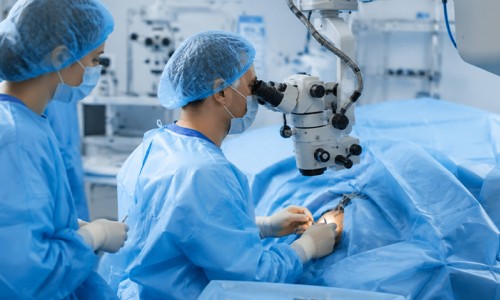
The artery and vein of the transferred tissue are connected to the vessels in the recipient area under an operating microscope. In this way, large or complex tissue losses can be closed with living tissues that have their own blood circulation.
Free Tissue Transfer
The tissue is completely separated from the donor area together with its vessels and connected to the vessels in the required area using microsurgical technique.
Selection According to Tissue Need
Different flaps containing thin skin, bulky soft tissue, muscle or bone may be preferred according to the area to be reconstructed.
In which situations may microsurgical tissue transfer be required?
- Extensive head and neck tissue losses
- Breast reconstruction
- Open bone and tendon wounds in the lower or upper extremity
- Extensive soft tissue defects after trauma
- Complex cavities after cancer surgery
- Cases where local tissues are insufficient for reconstruction
Microsurgery requires close postoperative follow-up
The circulation of the transferred tissue is monitored regularly in the first hours and days. Early recognition of changes in vascular circulation is important.
Hand Surgery
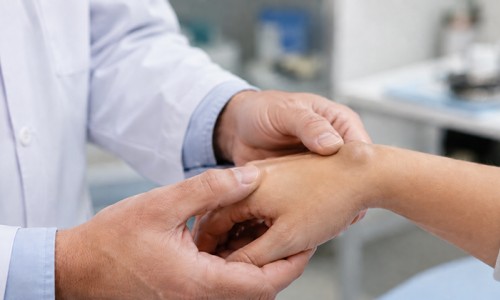
Hand surgery is a special surgical field in which bones, joints, tendons, nerves, vessels and soft tissues are evaluated together. Even damage in a small area of the hand may affect grasping, sensation and fine movements.
Sharp object injuries, occupational accidents, tendon ruptures, nerve cuts, fractures, crush injuries and congenital hand differences are within the evaluation area of hand surgery.
Tendon Injuries
Controlled rehabilitation is required after repair of the tendons that allow the fingers to bend or straighten.
Nerve Injuries
Nerve cuts that cause sensory and movement loss can be repaired with microsurgical techniques.
Vascular Injuries
Microsurgery may be applied to restore blood flow in vascular damage affecting hand and finger circulation.
Bone and Joint Injuries
Fractures and joint injuries are evaluated in a way that preserves hand alignment, movement and grip strength.
In hand surgery, postoperative physical therapy and hand rehabilitation are as important as the operation. Personalized exercise programs may be required to allow tendons to glide, preserve joint movement and regain muscle strength.
Replantation of Severed Fingers and Limbs
Reattachment of severed fingers or limbs is called replantation. In this procedure, many anatomical structures such as bone, tendon, vessel, nerve and skin must be repaired separately.
Not every amputation injury may be suitable for replantation. The type of injury, degree of tissue crush, preservation conditions of the severed part, elapsed time and the person’s general health status affect the treatment decision.
Correct Preservation and Transport
The severed part should be placed in a clean bag without direct contact with ice, and this bag should be transported inside another container containing iced water.
Timely Intervention
For tissue circulation to be restored, it is important that the patient and the severed part are transported to an appropriate center as soon as possible.
Reattachment of the part does not mean a guarantee of full function
Postoperative circulation, nerve healing, joint movement and the rehabilitation process affect the function that can be achieved.
Burn and Wound Treatments
Burn and wound treatments cover not only the closure of acute burns, but also the management of post-burn scars, contractures that restrict joint movement and wounds that do not heal for a long time.
The depth of the burn, the body surface area affected, its location and accompanying health problems determine the treatment method. In deep burns, damaged tissue may need to be cleaned and the wound closed with skin grafts or flaps.
Skin Graft
A thin layer of skin taken from another area of the body may be placed on a suitable wound bed to provide tissue coverage.
Flap Surgery
In wounds where bone, tendon or important structures are exposed, thicker tissues with their own blood circulation may be used.
Which problems can post-burn reconstruction target?
- Skin tightness restricting joint movement
- Contractures developing in the neck, hand, arm or leg
- Thickened and raised burn scars
- Deformities around the eyelids or mouth
- Tissue and hair loss on the scalp
- Burn wounds that do not close for a long time
Surgical Treatment of Chronic Wounds
A chronic wound is a wound that does not close within the expected time despite appropriate care and is often associated with circulatory disorders, diabetes, pressure, infection or nerve damage. Diabetic foot wounds, pressure sores and wounds related to vascular diseases may be included in this group.
In treatment, simply covering the wound is not sufficient. The causes that prevent wound healing, such as blood circulation, infection, blood sugar control, pressure load and nutritional status, should be addressed together.
Wound Debridement
Dead and infected tissues may be removed with surgical or appropriate wound care methods.
Infection Control
Culture, antibiotic treatment and necessary surgical procedures are planned to prevent the spread of infection.
Circulation Evaluation
In wounds with inadequate blood flow, evaluation by vascular surgery or related branches may be required.
Closure with Tissue
After the wound bed becomes suitable, permanent closure may be planned with a graft, local flap or free tissue transfer.
Chronic wound treatment may require a multidisciplinary approach
Plastic surgery, infectious diseases, vascular surgery, orthopedics, endocrinology and wound care teams may work together.
Methods Used in Reconstructive Surgery
The reconstruction method is planned from the simplest and safest option toward more complex techniques. This approach is called the reconstruction ladder, but the same order does not have to be followed in every patient.
Direct Closure
Small tissue defects may be closed by bringing surrounding tissues together without excessive tension.
Skin Grafts
Skin tissue taken from another area may be used on superficial wounds with adequate blood supply.
Local and Regional Flaps
Skin, fat or muscle tissue near the wound may be moved to the damaged area while preserving its own circulation.
Free Flaps
Tissue taken from a distant area may be used in the reconstruction of complex defects by connecting its vessels with microsurgery.
Evaluation Before Reconstructive Surgery
Before surgical planning, the cause and duration of the wound, previous treatments, infection status and blood circulation of surrounding tissues are evaluated. Imaging, vascular examinations, laboratory tests or pathology results may be required.
Diabetes, vascular disease, immune system problems, medications used, smoking and nicotine use may directly affect wound healing. It is important to control these factors as much as possible before surgery.
Analysis of Tissue Loss
Missing skin, fat, muscle, tendon, nerve or bone structures are evaluated separately.
Blood Circulation
The circulation adequacy of the recipient area and the donor tissue to be used is examined.
Infection and Wound Status
Active infection, dead tissue and foreign bodies are brought under control before reconstruction.
Functional Goals
Movements and functions intended to be preserved or regained after reconstruction are determined.
Surgery and Recovery Process
The duration and scope of reconstructive surgery vary according to the method to be applied. The surgical, hospital stay and recovery processes of a small skin graft and a large microsurgical tissue transfer are not the same.
After surgery, wound care, dressing, movement restriction, splinting or protective positioning may be required. In microsurgical procedures, the circulation of the transferred tissue is closely monitored. In hand and extremity reconstructions, physical therapy may be planned in the early period.
Wound and Tissue Follow-Up
The color, temperature, circulation and wound healing of the reconstructed area are evaluated through regular follow-up visits.
Rehabilitation
Physical therapy may be required to preserve movement in hand, arm, leg and joint-area reconstructions.
Things to pay attention to during recovery
- Following wound care and dressing recommendations
- Avoiding smoking and nicotine use
- Protecting the reconstructed area from pressure and trauma
- Using prescribed medications regularly
- Not interrupting the physical therapy program
- Attending follow-up appointments regularly
- Consulting the doctor in case of color change, increasing pain or fever
Recovery is not completed only by wound closure
Regaining muscle strength, joint movement, sensation, tissue softness and adaptation to daily life may require a longer process.
Possible Risks of Reconstructive Surgery
As with every surgical procedure, reconstructive surgery may involve risks such as bleeding, infection, delayed wound healing, fluid accumulation, noticeable scarring, sensory change and anesthesia-related complications.
Partial loss of a skin graft, impairment of flap circulation, wound problems in the donor area or the need for additional surgery are among reconstruction-specific risks. In microsurgical tissue transfers, urgent reoperation may be required if clot formation occurs in the vascular connections.
The level of risk varies according to the wound and the scope of surgery
The person’s general health status, smoking, circulatory disorder, diabetes and previous radiotherapy may affect the recovery process.
Why Prof. Dr. Osman Kelahmetoğlu?
Reconstructive surgery requires not only the ability to close a wound, but also knowledge of anatomy, evaluation of tissue circulation, microsurgical experience and management of possible complications.
Prof. Dr. Osman Kelahmetoğlu’s academic and clinical background in plastic, reconstructive and aesthetic surgery contributes to the holistic evaluation of breast reconstruction, head and neck reconstruction, hand surgery, microsurgical tissue transfer, reconstruction after cancer surgery and wound treatments.
Reconstructive and Microsurgical Experience
Graft, flap and microsurgical options may be evaluated according to the need for different tissue losses.
Balance Between Function and Appearance
In the reconstruction plan, the durability, movement and natural harmony of the area with surrounding tissues are considered together.
Reconstructive Surgery Prices in Istanbul
Reconstructive surgery prices in Istanbul may vary according to the size of tissue loss, the method to be applied, operation duration, need for microsurgery, length of hospital stay and whether more than one surgical stage is required.
Skin grafting, local flap, free tissue transfer, breast reconstruction, hand surgery and chronic wound reconstruction have different treatment scopes. For accurate cost planning, examination, tests and determination of the surgical method are required.
Frequently Asked Questions About Reconstructive Surgery
What is the difference between reconstructive surgery and aesthetic surgery?
The main goal of reconstructive surgery is to restore lost tissue integrity and function. Aesthetic harmony is also an important part of planning; however, the priority is not only appearance, but function and tissue integrity.
Is microsurgery required for every tissue loss?
No. Small or limited tissue defects may be reconstructed with direct closure, skin grafts or local flaps. Microsurgery may be considered in larger or more complex tissue losses.
Can breast reconstruction be performed at the same time as cancer surgery?
In suitable patients, breast reconstruction may be planned in the same session as cancer surgery. Timing is determined according to the cancer treatment plan, possibility of radiotherapy, general health status and existing tissue conditions.
Is reconstruction with the person’s own tissue more suitable?
There is no single most suitable option for every patient. Reconstruction with the person’s own tissue, implants and other methods each have different advantages and limitations. The appropriate approach is determined according to existing tissue conditions, health status and treatment plan.
What is the difference between a skin graft and a flap?
A skin graft is placed on the wound bed without its own vascular connection and heals by receiving nutrition from the new area. A flap is a more comprehensive tissue piece transferred while preserving its own blood circulation or re-establishing vascular connection with microsurgery.
How long does microsurgical tissue transfer take?
The operation time may vary according to the type of tissue to be transferred, the scope of reconstruction, vascular structure and accompanying procedures. Since microsurgical procedures require detailed vessel and tissue repair, operation duration may differ from person to person.
Can a severed finger be replanted in every case?
Replantation may not be possible in every amputation injury. The level of injury, amount of crushing, elapsed time, preservation conditions of the severed part, vascular and nerve structures and the person’s general health status are evaluated together.
Why do chronic wounds not heal?
Circulatory disorder, diabetes, infection, continuous pressure, nutritional problems, dead tissues and some systemic diseases may delay wound healing. The treatment plan should be created according to the cause of the wound.
Is physical therapy required after reconstructive surgery?
Physical therapy or rehabilitation may be required to regain movement and function after hand, tendon, nerve, joint and extremity reconstructions. The program is determined according to the type of surgery performed and the person’s recovery process.
Will there be scars after reconstructive surgery?
Scars occur in procedures involving surgical incisions. The location and appearance of scars may vary according to the location of the wound, the reconstruction method used, skin characteristics and personal wound healing.
Contact and Examination Appointment
You can create an examination appointment at my clinic in Istanbul Şişli to evaluate your condition related to breast reconstruction, head and neck reconstruction, hand surgery, microsurgical tissue transfer, reconstruction after cancer surgery or burn and wound treatments.
During examination, the scope of tissue loss, existing function, general health status, applicable surgical methods, recovery process and possible risks are evaluated according to your personal condition.
Reconstructive Surgery Examination in Istanbul Şişli
You can create an examination appointment or get information via WhatsApp to evaluate tissue loss, existing function and applicable reconstructive surgery options.