
In What situations İs Reconstruction Necessary After Cosmetic Breast Surgery?
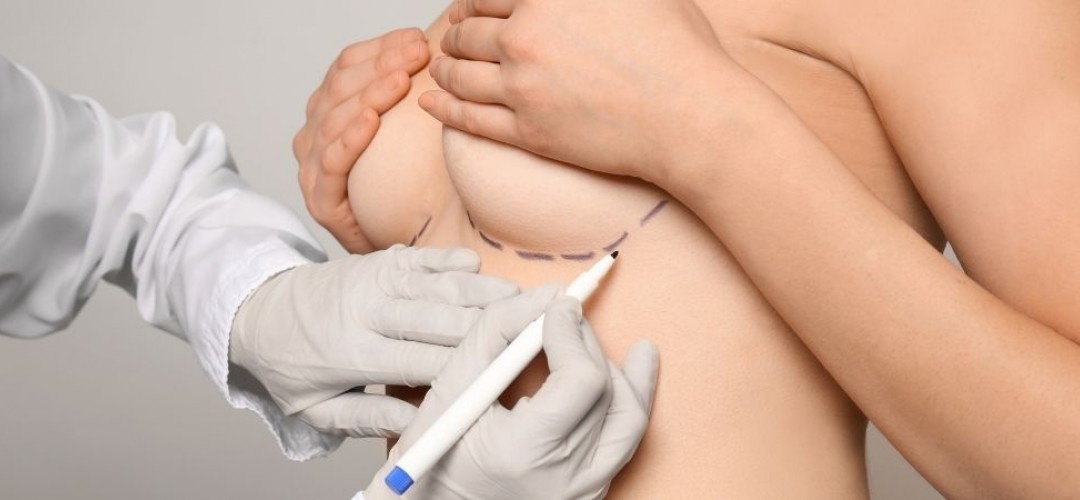
What Does Repair After Aesthetic Breast Surgery Mean?
Situations requiring repair after breast aesthetics procedures involve correcting shape, tissue, or healing issues resulting from previous surgeries. This repair process aims to make the existing structure more balanced, healthy, and aesthetically acceptable rather than merely changing the breast size.
Which Aesthetic Breast Surgeries Might Require Repair?
Issues necessitating repair can arise after various aesthetic breast surgeries. The most commonly evaluated operations are:
- Breast reduction surgery
- Breast lift (mastopexy)
- Breast augmentation (with silicone implants)
- Combined aesthetic breast surgeries
What Are the Common Situations That May Require Repair?
Post-operative issues do not manifest the same way for every patient. However, the following conditions often lead to the consideration of repair surgery or corrective procedures:
- Asymmetry: Differences in volume, height, or form between the two breasts
- Deformity: Irregularities in the lower breast area, hardness at the edges, or unnatural contours
- Recurrent Sagging: Loss of tissue firmness or skin elasticity over time
- Nipple Positioning Issues: The nipple being positioned too high, too low, or off-center
- Scarring Problems: Expansion, hardening, or more prominent appearance of surgical scars
- Wound Healing Issues: Delayed healing, irregularities along the scar line, or deterioration in tissue quality
Are Repair Surgery and Revision Surgery the Same?
While repair surgery and revision concepts are often mentioned together, they do not always mean the same thing. Repair surgery focuses on fixing existing problems, whereas revision surgery may also involve changing breast size or the entire surgical approach for some patients. The appropriate method is determined based on the source and scope of the problem.
When Should Repair Be Considered?
Edema, stiffness, and shape differences may occur in the early post-operative period; these situations are usually temporary. The need for repair is typically evaluated after the tissue healing process is complete and problems become permanent. Therefore, it is important to plan based on regular check-ups and examination findings instead of making a hasty decision.
What Is Considered in Repair Planning?
Every repair process is personalized. During the planning stage, the following factors are evaluated together:
- Type and incision locations of the previous surgery
- Condition of existing scars and tissue quality
- Breast volume and degree of sagging
- Nipple–areola circulation and sensory status
- The patient's expectations and daily life comfort
What Should Be the Expectations After Repair?
The primary goal of repair surgery is to improve the existing problem within safe clinical limits. "Perfect symmetry" may not always be possible in tissues that have undergone previous surgery. Therefore, planning with realistic expectations is crucial for both surgical results and patient satisfaction.
When Is an Expert Evaluation Necessary?
If you think there is a permanent issue with the appearance of your breasts after aesthetic breast surgery, the best approach is to have an evaluation by specialist examination rather than deciding on your own. Once the source of the problem is identified, it becomes clear whether a repair is necessary and which method is appropriate.