Can Diabetic Patients Have Aesthetic Surgery?

How Is the Decision Made for Cosmetic Surgery in Patients with Diabetes?
Diabetes is not an absolute contraindication to cosmetic surgery on its own. However, the decision to perform surgery in patients with diabetes must be made more carefully. Blood sugar levels, wound healing, the risk of infection, and the patient's overall health can all directly affect the surgical process.
Therefore, the key factor is not simply whether a person has diabetes, but how well the condition is controlled. Cosmetic surgery may be considered for patients whose blood sugar levels are stable, who are under regular medical supervision, and whose additional health conditions are well managed. However, this decision should always be made jointly by the plastic surgeon, anesthesiologist, and the physician responsible for the patient's diabetes management.
When Can Patients with Diabetes Undergo Cosmetic Surgery?
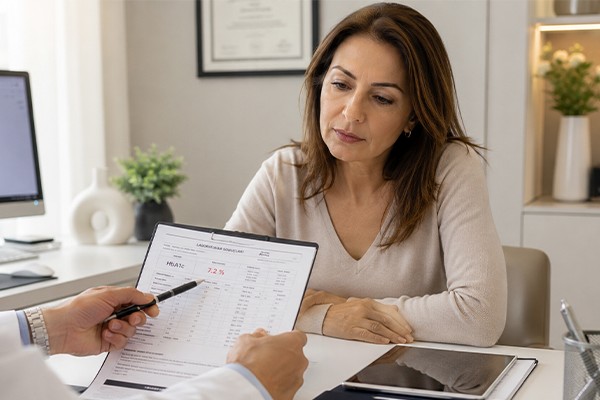
The most appropriate time for cosmetic surgery in patients with diabetes is when blood glucose levels are well controlled and the patient's overall health is stable. Before surgery, fasting blood glucose, HbA1c levels, current medications, kidney function, blood pressure, and any cardiovascular conditions should all be evaluated.
Elective cosmetic procedures should never be rushed. Before surgeries that involve larger incisions and longer recovery periods, such as breast reduction, breast lift, or tummy tuck, the primary goal is to prepare the patient under the safest possible conditions. Even in procedures involving smaller surgical areas, such as rhinoplasty and eyelid surgery, diabetes control should never be overlooked.
During this planning process, whether the patient has Type 1 or Type 2 diabetes is also taken into consideration. Type 1 diabetes may require closer monitoring because of insulin use and fluctuations in blood glucose levels. In patients with Type 2 diabetes, medications, accompanying medical conditions, body weight, and the degree of blood sugar control are evaluated separately. Therefore, every patient with diabetes should be assessed individually according to their overall health condition.
In Which Situations Should Cosmetic Surgery Be Postponed?
In some cases, postponing cosmetic surgery may be the safest option for patients with diabetes. Persistently elevated blood glucose levels, an HbA1c value above the desired range, an active infection, non-healing wounds, or uncontrolled hypertension may increase surgical risks.
Likewise, surgery should not be rushed in patients who frequently experience hypoglycemia or whose insulin or medication regimen has not yet been stabilized. If diabetes-related kidney disease, eye damage, nerve damage, or significant cardiovascular disease is present, cosmetic surgery may need to be postponed or reconsidered following additional medical evaluation.
In such situations, the priority is to improve diabetes control and optimize the patient's overall health before cosmetic surgery. This approach contributes to safer surgery and a smoother recovery process.
Why Is Blood Sugar Control Before Surgery Important?
Maintaining stable blood glucose levels plays a significant role in postoperative recovery. Poorly controlled diabetes can delay wound healing, increase the risk of infection, and negatively affect tissue circulation. Therefore, before surgery, physicians evaluate not only the current fasting blood glucose level but also the HbA1c value, which reflects blood sugar control over the previous few months.
What Should the HbA1c Level Be Before Cosmetic Surgery in Patients with Diabetes?
For elective cosmetic procedures, the HbA1c level is one of the most important indicators of how well prepared a patient is for surgery. However, there is no single ideal HbA1c value that applies to every patient. The target value should be determined by physicians based on the patient's age, type of diabetes, additional medical conditions, medications, and the extent of the planned surgery.
In general, patients with elevated HbA1c levels are advised to improve diabetes control before surgery. Better blood glucose control helps reduce the risk of infection, supports wound healing, and contributes to a safer postoperative recovery.
This is particularly important in procedures involving larger incisions, such as breast reduction, breast lift, and tummy tuck surgery. However, even in surgeries involving smaller surgical fields, such as rhinoplasty and eyelid surgery, diabetes management remains essential. Regardless of whether the operation is minor or major, good blood sugar control forms the foundation of safe surgical planning for patients with diabetes.
Which Cosmetic Procedures Require Greater Attention in Patients with Diabetes?
Not all cosmetic procedures carry the same level of risk for patients with diabetes. As the duration of surgery, the size of the incision, tissue dissection, and healing requirements increase, surgical planning should become more comprehensive.
Procedures involving larger surgical areas, such as breast reduction, breast lift, tummy tuck, and combined cosmetic surgeries, require closer monitoring of wound healing and infection risk. Although diabetes control is equally important in procedures involving smaller surgical areas, such as rhinoplasty or eyelid surgery, the final decision should always be based on the patient's overall health condition.
Therefore, when selecting a cosmetic procedure for a patient with diabetes, physicians should consider not only the desired aesthetic outcome but also blood sugar control, healing capacity, and the postoperative follow-up process.
What Should Patients with Diabetes Consider Before Cosmetic Surgery?
Patients should inform their surgeon about all diabetes medications, insulin therapy, additional medical conditions, and previous surgical experiences. Medication schedules, fasting requirements, and blood glucose monitoring on the day of surgery should be planned by the anesthesia team. Patients should never stop taking medications, change insulin doses, or significantly alter their diet before surgery without medical advice.
Smoking, nutrition, body weight, blood pressure control, and cardiovascular health should also be evaluated before surgery. In patients with diabetes, a safe cosmetic surgery process depends not only on the surgical technique but also on proper timing, thorough preparation, and careful postoperative follow-up.
How Should the Postoperative Period Be Planned for Patients with Diabetes?
After surgery, careful blood glucose monitoring, wound care, and observation for signs of infection are essential. Because blood sugar fluctuations may occur during recovery, patients should continue following their physician's recommendations regarding nutrition, medication use, and follow-up appointments.
Increasing redness around the incision, discharge, unpleasant odor, excessive pain, or persistent swelling should never be ignored. Problems detected early in patients with diabetes are generally easier to manage. For this reason, attending scheduled follow-up appointments is essential for a safe and successful recovery.
Why Is Proper Timing So Important?
The right time for cosmetic surgery in patients with diabetes is when the body is adequately prepared for healing. Surgery performed while blood sugar is poorly controlled may complicate recovery. In some cases, postponing surgery may be the safest decision to achieve a healthier and more predictable outcome.
Whether a person with diabetes is a suitable candidate for cosmetic surgery cannot be determined solely by their desire to undergo a procedure. Blood sugar control, overall health, the extent of the planned operation, and the expected recovery process should all be evaluated together. Based on this comprehensive assessment, physicians determine whether surgery is appropriate and identify the safest timing.
Frequently Asked Questions
Can patients with diabetes undergo cosmetic surgery?
Yes. If diabetes is well controlled and the patient's overall health is suitable, cosmetic surgery may be performed. The decision should always be made following a medical evaluation.
Can cosmetic surgery be performed if blood sugar is high?
If blood glucose levels are poorly controlled, surgery is generally postponed until diabetes is managed more effectively.
Do patients with diabetes experience slower wound healing?
Uncontrolled diabetes can delay wound healing. When blood sugar is well managed, this risk can usually be reduced.
Should patients with diabetes stop taking their medications before surgery?
No. Diabetes medications or insulin should never be discontinued or adjusted without the guidance of the treating physician.