
Why Can Nipples Be Damaged During Breast Reduction Surgery?
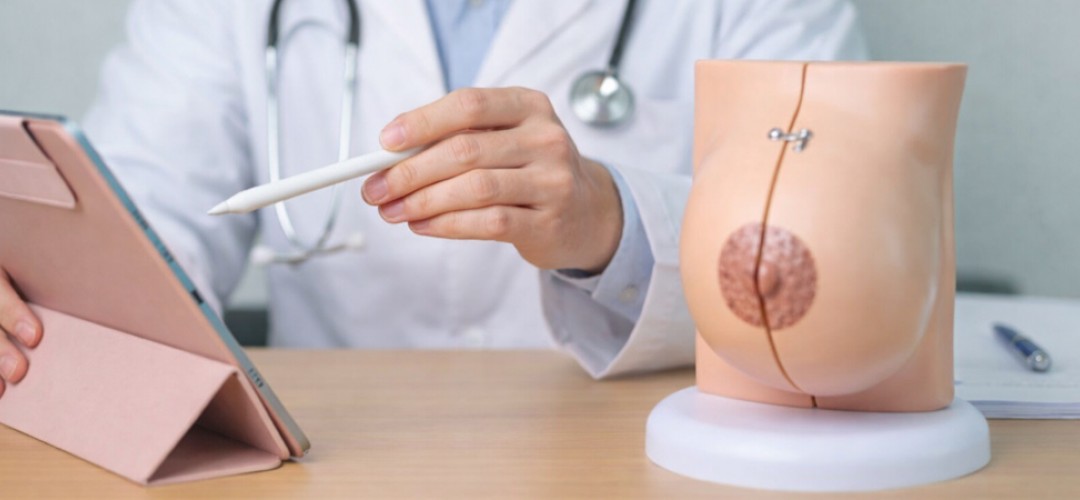
What is Breast Reduction Surgery and Why is it Performed?
Breast reduction surgery (reduction mammoplasty) is a surgical procedure performed to reorganize excessively large, heavy, and sagging breasts in terms of both volume and shape. The goal is not only to reduce the breast size; it is also to give the breast a more balanced form, move the nipple-areola complex (the nipple and the dark ring around it) to a more appropriate level, and achieve an appearance compatible with the person's body proportions.
Large breasts can lead to complaints such as neck, back, and shoulder pain, bra strap marks, skin rashes and irritation, posture disorders, and restricted movement in daily life. In some patients, significant effects can also be seen on sports activities, clothing choices, social life, and self-confidence. Therefore, breast reduction surgery is an intervention that provides both functional relief and aesthetic improvement for many people.
Why is the Circulation of the Nipple and Areola Important?
The nipple-areola complex is one of the most sensitive areas of the breast. During surgery, a certain amount of breast tissue and skin is removed, the breast is reshaped, and the nipple is moved higher. While performing these procedures, some of the vessels feeding the nipple may inevitably be affected. In most patients, circulation adapts without problems; however, nipple circulation may be impaired, though rarely.
When nipple circulation disorder is mentioned, two basic mechanisms are generally considered:
- Decreased arterial flow: If the "clean blood" flow to the nipple is insufficient, the area may become pale, cold, and start to lose its vitality.
- Impaired venous return: This is the more common condition. Blood reaches the area but has difficulty returning. In this case, bruising, darkening, and increasing edema can be seen in the nipple.
When these circulatory problems are noticed early and intervened quickly, they can mostly be controlled. Therefore, the first hours and days of the surgery are of critical importance for safe recovery.
What is Nipple Tissue Loss (Necrosis)?
Nipple tissue loss is a condition where the tissue partially or rarely completely loses its vitality as a result of insufficient blood supply to the nipple-areola complex. Loss can sometimes be limited to a small part of the areola; sometimes it can spread to a wider area. Total loss is much rarer, but it is important because it can both prolong the healing process and affect aesthetic and functional results.
The occurrence of this situation does not mean the "surgery went badly"; it is often closely related to the patient's own risk factors and tissue characteristics. Nevertheless, knowing the risk, taking the right preventive steps, and catching the symptoms early helps manage the process in the safest way.
In Which Situations Does the Risk Increase?
1) Risks Related to Breast Structure
- Excessively large breasts: Since the nipple will be moved a longer distance and tissues will be reorganized more, the load on circulation may increase.
- Excessively sagging breasts: Tension on the vessels may increase during the movement of the nipple to its new position.
- Thick and heavy breast tissue: Tissue weight and edema can make venous return difficult.
2) Personal (Systemic) Risks
- Smoking and nicotine products: They can reduce blood flow by constricting vessels and significantly negatively affect wound healing. This is one of the most important "preventable" risk factors.
- Diabetes: It can affect microvascular circulation, increase the risk of infection, and slow down healing.
- Vascular diseases: When general circulation quality decreases, tissue tolerance may decrease.
- Advanced age: Tissue elasticity and vascular response may change; accompanying diseases may be seen more frequently.
- General health and nutrition status: Anemia, protein deficiency, and some vitamin-mineral deficiencies can negatively affect healing.
3) Previous Surgeries and Regional Risks
- Previously performed breast surgeries: Previous incisions in the breast tissue can change circulatory paths. Therefore, it is important to share previous surgery reports and details with the surgeon, if any.
- Long-term pressure / circulatory disorders: Wrong position after surgery, excessive pressure, or applications that compress circulation can increase the risk.
4) External Factors
- Excessively tight bras, bandages, or corsets: Especially in the early period, more pressure than necessary can impair circulation.
- Uncontrolled swelling and bleeding (hematoma): Accumulation of blood within the tissue can put pressure on the breast and adversely affect nipple circulation.
How to Recognize Nipple Circulation Problems?
Early symptoms often manifest with visual changes. There are signs that both the healthcare team and the patient should pay attention to during post-operative follow-up.
Most Common Warning Signs
- Pallor or whitening: Can be seen especially if arterial flow decreases.
- Bruising / darkening: A typical finding seen more in venous return disorders (vein problems).
- Progression of color change: A color change that increases within hours is important.
- Deterioration and crusting on the tissue surface: May suggest that tissue vitality is affected.
None of these findings necessarily mean "tissue loss will occur"; however, they require early evaluation. Simple interventions can contribute greatly to the preservation of the tissue.
Why is the First Night Important? What Does Hospitalization Provide?
The possibility of bleeding and related hematoma (blood collection) in the first hours after breast reduction surgery, although low, is serious. Hematoma can impair circulation by increasing pressure in the breast. If not noticed and treated early, the blood flow to the nipple can be negatively affected.
Therefore, many surgeons recommend hospital follow-up on the night of surgery, especially in patients with risk factors or cases requiring extensive reduction. Regular control in a hospital environment provides a chance for rapid intervention in case of a possible problem and increases safety.
How to Reduce Risk?
Precautions Before Surgery
- Quitting smoking and nicotine: Surgeons usually want patients to stay away from nicotine before and after the surgery. The main goal is to bring circulation and wound healing to the best level.
- Diabetes control: Blood sugar regulation directly affects the quality of healing. Endocrine follow-up and regular measurement are important.
- Sharing previous surgeries: If you have had breast surgery before, surgery reports and techniques used can affect surgical planning.
- General health assessment: Anemia, circulatory problems, medications used, and nutritional status are reviewed.
Surgical Planning and Technical Details During Surgery
The aim is to create a plan that preserves the blood supply to the nipple. The surgeon determines many details such as the nipple-carrying method, the amount of tissue removed, the tension on the suture line, and the new form of the breast according to the person's anatomy. Proper planning reduces unnecessary tension and lowers risks.
Points to Consider After Surgery
- Bandage and bra pressure: The medical bra and dressing routine recommended by the doctor is important. Inform the team of excessive tightness, numbness, or a significant increase in bruising.
- Position and pressure: In the early period, positions that apply direct pressure to the breast should be avoided.
- Not skipping controls: The first days and the first week are the most sensitive periods for circulation and wound healing.
- Not delaying in case of suspicious symptoms: Color change, sudden swelling, rapid growth in one breast, and increasing pain require evaluation.
What to Do if a Problem is Suspected?
The steps vary according to the cause and severity. Sometimes a simple adjustment like loosening a bandage is sufficient, while sometimes a condition like hematoma may need rapid treatment. This process must be managed under a physician's control. Trying to intervene at home can worsen the situation.
How Does Healing Progress if Partial Tissue Loss Occurs?
In partial losses, the goal is safe healing and optimizing the aesthetic result. Depending on the size of the loss, healing may be prolonged. Total loss is rarer and manageable with modern reconstructive options. Timing and method selection vary depending on the tissue's healing process.
Why is Conscious Follow-up by the Patient Critical?
Success after breast reduction surgery is related to the patient's compliance as much as the surgical technique. Even if circulatory problems are rare, small clues emerging early can change the course of the process. Therefore, following care instructions, not skipping controls, and staying away from nicotine are fundamental parts of safe recovery.
Nipple loss or nipple circulation disorder is one of the rare but important complications. Risk can be significantly reduced with correct surgical planning and quitting nicotine. Regular follow-up ensures early detection of early problems such as hematoma.
This text is for general informational purposes; every patient's anatomy and surgical plan are different. For the most accurate evaluation, the safest approach is to have a detailed discussion with your surgeon.